

State Office of Mental Health Launches Survey to Gather Feedback for Resource to Connect Job Seekers with Opportunity
Site Part of a $2.5 Million Initiative to Attract New Yorkers to Careers in Mental Health; Address Workforce Shortages
The New York State Office of Mental Health today announced the launch of a survey to inform a new online resource dedicated to building the mental health workforce of tomorrow. Released this week, this brief survey will gather information from service providers and professionals to help design a website highlighting
“Our continued efforts to strengthen New York’s mental health care system depend on having a robust, skilled workforce at the ready,” Commissioner Dr. Ann Sullivan said. “The website we are developing with input from mental health professionals and service providers will offer an exciting presentation of careers in this field, along with a pathway for job seekers to connect with prospective employers in communities throughout our state.”
The 10-minute survey is aimed at determining the
The website is part of a $2.5 million multi-year initiative
The website is expected to launch next year and will link to mental health careers at all levels in New York. The audience for the website and associated marketing campaign will include high school and college students, and individuals interested in being part of the next generation of mental health professionals.
In addition to the survey, OMH also made up to $5 million available to help repay student debt accrued by licensed clinicians working with service providers in the state. This Community Mental Health Loan Repayment program provides up to $120,000 for psychiatrists and $30,000 for other licensed mental health professionals to repay qualified education loans and student debt, provided they remain employed by licensed community mental health programs for three years.
Program eligibility includes many licensed mental health professionals, including master and clinical social workers; mental health counselors; marriage and family therapists; and creative arts therapists, psychoanalysts, psychologists, and occupational therapists. To date, this program has committed roughly $45 million in annual loan repayment on behalf of 1,405 mental health professionals.
Under Governor Hochul’s leadership, the state has undertaken numerous
OMH also continues to grow its partnership with State University of New York and City University of New York campuses to increase workforce diversity especially in areas where these individuals are underrepresented. Through this partnership, SUNY and CUNY are providing funding to support tuition assistance, paid internships, and direct stipends for underrepresented and multilingual students entering or enrolled in mental health degree programs.
In addition, Governor Hochul secured a 2.6 percent targeted inflationary increase in the FY 2026 Budget for community mental health providers licensed, designated, and/or funded by OMH. This investment was on top of a 2.8 percent increase in the FY 2025 budget, and a 5.4 percent increase in the FY 2024 budget.
A report by State Comptroller Thomas P. DiNapoli found bullying and drug-related incidents statewide are on the rise, even exceeding pre-pandemic highs, while the rates for the number of serious violent and disruptive incidents remained near zero even after students returned to in-school instruction, and have stayed low. The report examined seven years of data from the New York State Education Department’s (SED) School Safety and Educational Climate (SSEC) report.
“Reliable public data about school safety is critical and informs where we need to address problems and identify solutions,” DiNapoli said. “This report builds on my office’s previous work examining violent and disruptive incidents in our schools. It’s disturbing to see the rise in bullying and drug-related incidents. We need to do everything we can to make sure students and teachers feel safe and this data shows there is more to do inside and outside our schools to meet these goals.”
In 2019, DiNapoli published a report analyzing the first year of data from SED’s SSEC report, which was implemented in school year (SY) 2017-18 to combine Violent and Disruptive Incident Report (VADIR) data with Dignity for All Students Act (DASA) data into one report.
Bullying and Cyberbullying
Bullying is the most frequently reported SSEC incident category. In SY 2023-24, excluding cyberbullying, bullying made up 61.8% of all incidents reported. A total of 29,718 bullying incidents were reported, resulting in a rate of 12.4 incidents per 1,000 pupils. Excluding the 1,734 schools that reported no incidents of bullying, the rate increases to 18.2 incidents per 1,000 pupils, up from 10.2 incidents in SY 2017-18.
Reported bullying rates in New York City were on the rise before dropping sharply during the pandemic. After returning to full in-person learning, reported bullying incidents in the city rose rapidly from 10.5 incidents per 1,000 pupils in SY 2019-20 to 25.8 in SY 2023-24, coinciding with revisions in the Regulations of the Chancellor in 2021, which added examples of bullying and harassment and provided additional guidance on cyberbullying, among other things. Rates of reported bullying in upstate schools remained consistently higher than those reported downstate (excluding NYC), though both regions experienced a gradual decline between SY 2017-18 and SY 2020-21. Both saw similar increases after the return to in-person learning.
When looking at bullying and cyberbullying in SY 2023-24, 34.9% of all public schools (including charter schools) reported zero bullying or cyberbullying incidents. Nearly one in five public secondary schools (17.8%) and nearly half of all public elementary schools (47.7%) reported zero bullying or cyberbullying incidents (including charter schools).
In the SSEC data, cyberbullying incident rates are very low. Many cyberbullying incidents may go unreported because they are difficult to detect and anonymous. In SY 2023-24, 4,396 incidents of cyberbullying were reported statewide, amounting to an overall rate of 1.8 incidents per 1,000 pupils. Excluding the 3,104 schools that reported zero cyberbullying incidents, the rate increases to 4.4 cyberbullying incidents per 1,000 pupils in schools where it was reported. Among schools that reported cyberbullying incidents, those located upstate had the highest rates of cyberbullying prior to the pandemic, while New York City had the lowest. In SY 2020-21, however, reported cyberbullying rates in New York City rose above rates in other regions and remained higher through SY 2023-24 (5.1 incidents per 1,000 students in the city, compared to 3.9 upstate and 3.4 downstate).
Drugs and Alcohol
Drug and alcohol incident rates in secondary schools dropped during SY 2019-20 and SY 2020-21 likely due to the shift to remote learning during this period. When students returned to in-person learning in SY 2021-22, reported drug-related incidents rose above pre-pandemic levels. Incidents for secondary school students rose from 4.2 in SY 2017-18 to 6.5 per 1,000 students in SY 2023-24.
Drug-related incidents have more variation by region, with higher rates upstate than in New York City or downstate districts. In SY 2023-24, incidents were more than twice as high upstate (9.8 per 1,000 students) as they were in New York City (4.2 per 1,000 students). In downstate districts, excluding New York City, the rate was 6.2 per 1,000 students. From SY 2017-18 to SY 2023-24, alcohol incident rates in secondary schools hovered at or below one per 1,000 students in all regions.
Serious Violent and Disruptive Incident Rates Plummet After Definitions Change
Prior to the pandemic, some of the most serious violent and disruptive incident categories (assault, sexual offense, and weapons possession) experienced gradually declining rates from SY 2017-18 to SY 2019-20, although rates for New York City schools were notably higher than for schools outside the city. After the return to in-person learning in SY 2021-22, the incident rates remained much lower than in the years before the pandemic. This coincides with definition changes SED implemented for SY 2021-22. The new definitions for these serious incidents stipulate that the offender must be 10 years of age or older, the incident must meet the criteria for a felony as determined by school officials, and the incident must have been referred to law enforcement.
Cases of assault declined from 4.9 incidents per 1,000 students in SY 2017-18 to 0.5 incidents in 2023-24. Similarly, sexual offense cases fell from 1.6 incidents to 0.1 per 1,000 students, and weapons possession cases dropped from 3.1 to 0.9 incidents per 1,000 students. Because the revised SSEC definitions include age as a criteria for reportability, DiNapoli’s analysis of these categories includes only secondary schools (middle, junior, junior/senior high and senior high schools).
Many Schools Report Zero Violent and Disruptive Incidents
Analysis of SY 2023-24 SSEC data shows that 41% of public elementary schools and 5.9% of public secondary schools (including charter schools) reported no incidents of any type. DiNapoli’s report said stakeholders should keep in mind that a school reporting zero incidents through the SSEC report may still have records of individual disruptive and violent incidents that are stored locally. For example, incidents that resulted in disciplinary action would be retained, even if the incident did not meet the threshold for SSEC reporting.
Report
Data
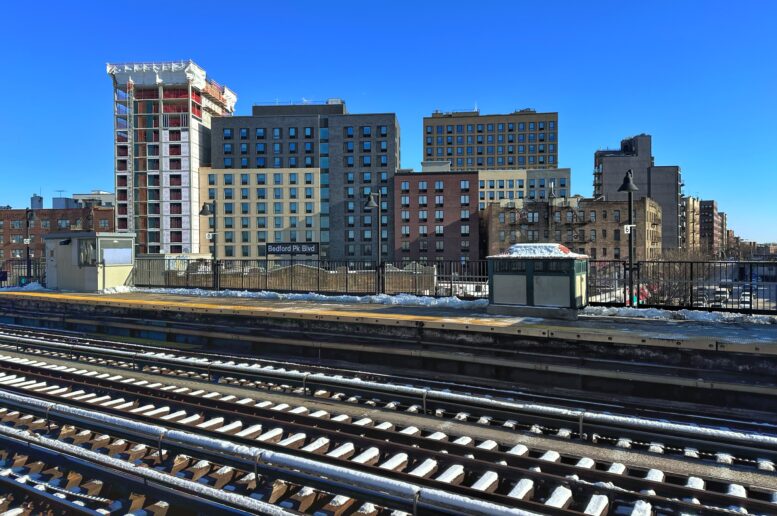
YIMBY recently checked in on the progress of three mid- and high-rise residential buildings under construction in Bedford Park, The Bronx. The sites are all located near the Grand Concourse and within walking distance of the Bedford Park Boulevard subway station.
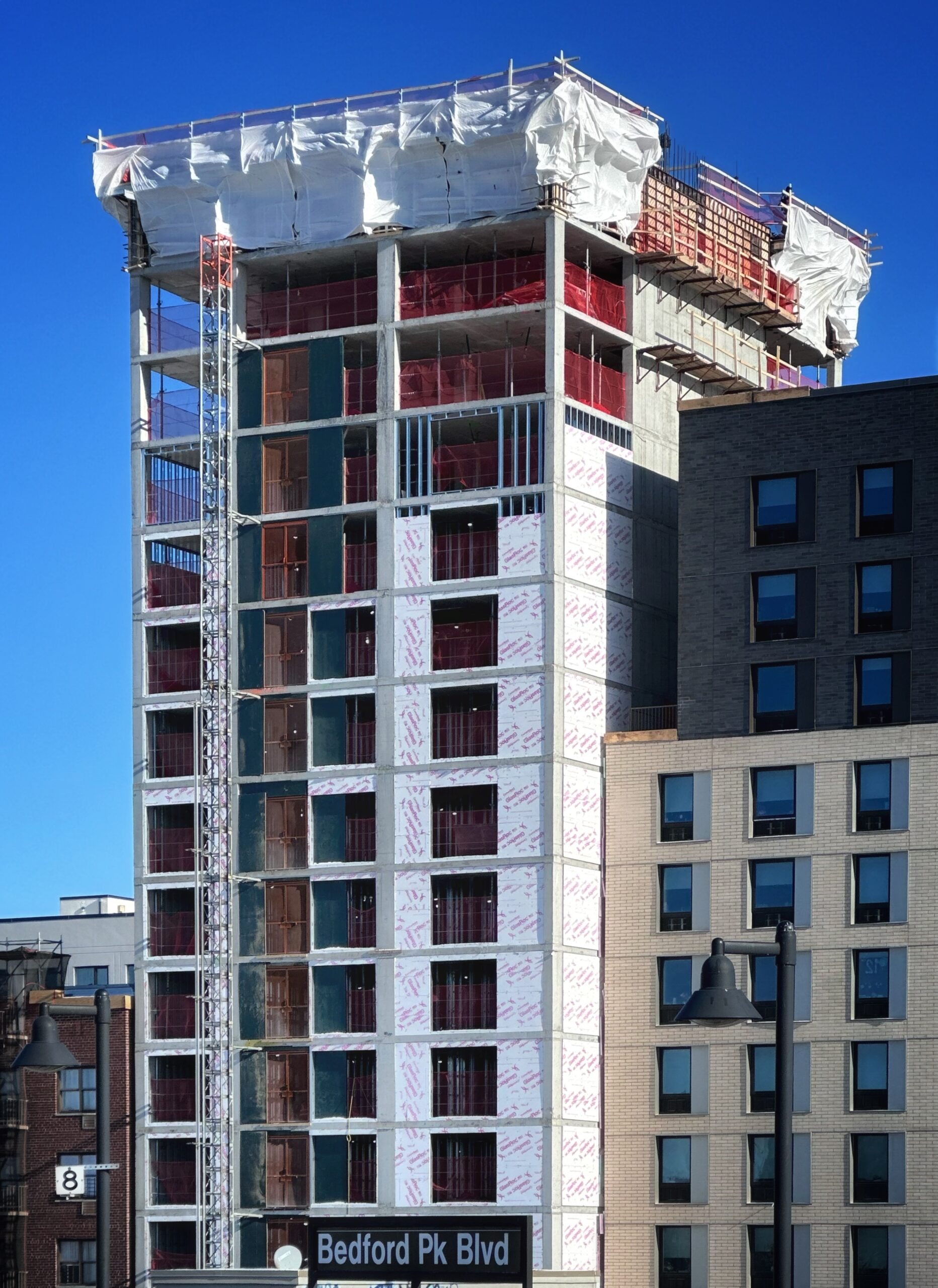
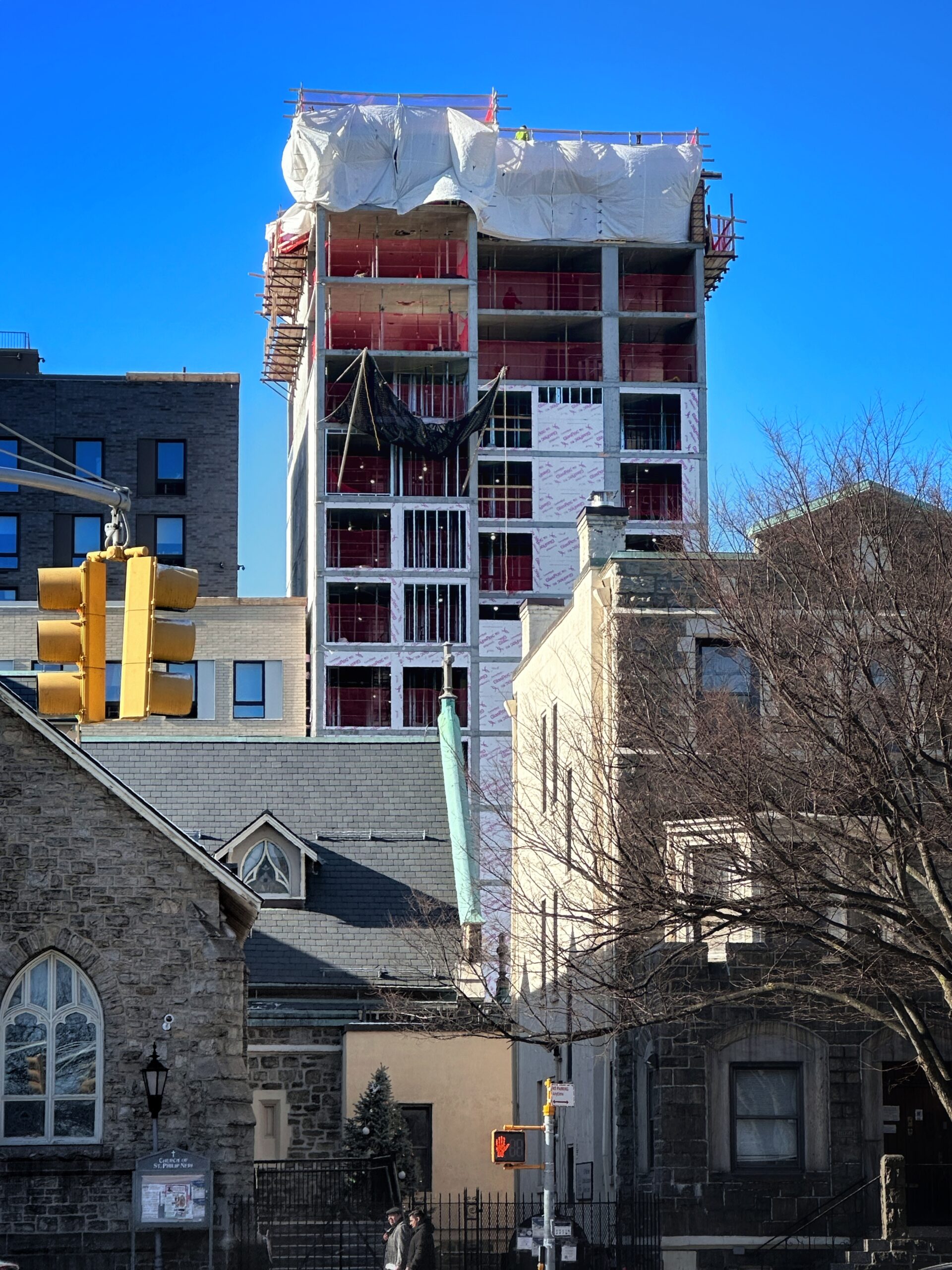
Construction is rising on 3099 Villa Avenue, a high-rise residential building between East 203rd Street and Bedford Park Boulevard. Designed by Rise Architecture, the structure will yield 95 units with an average scope of 1,225 square feet.
While the most recent permit filings indicate a 13-story height, the following photos show the reinforced concrete superstructure built to the 16th story. It is unclear how tall the building will eventually stand, or whether the unit count has also been expanded.
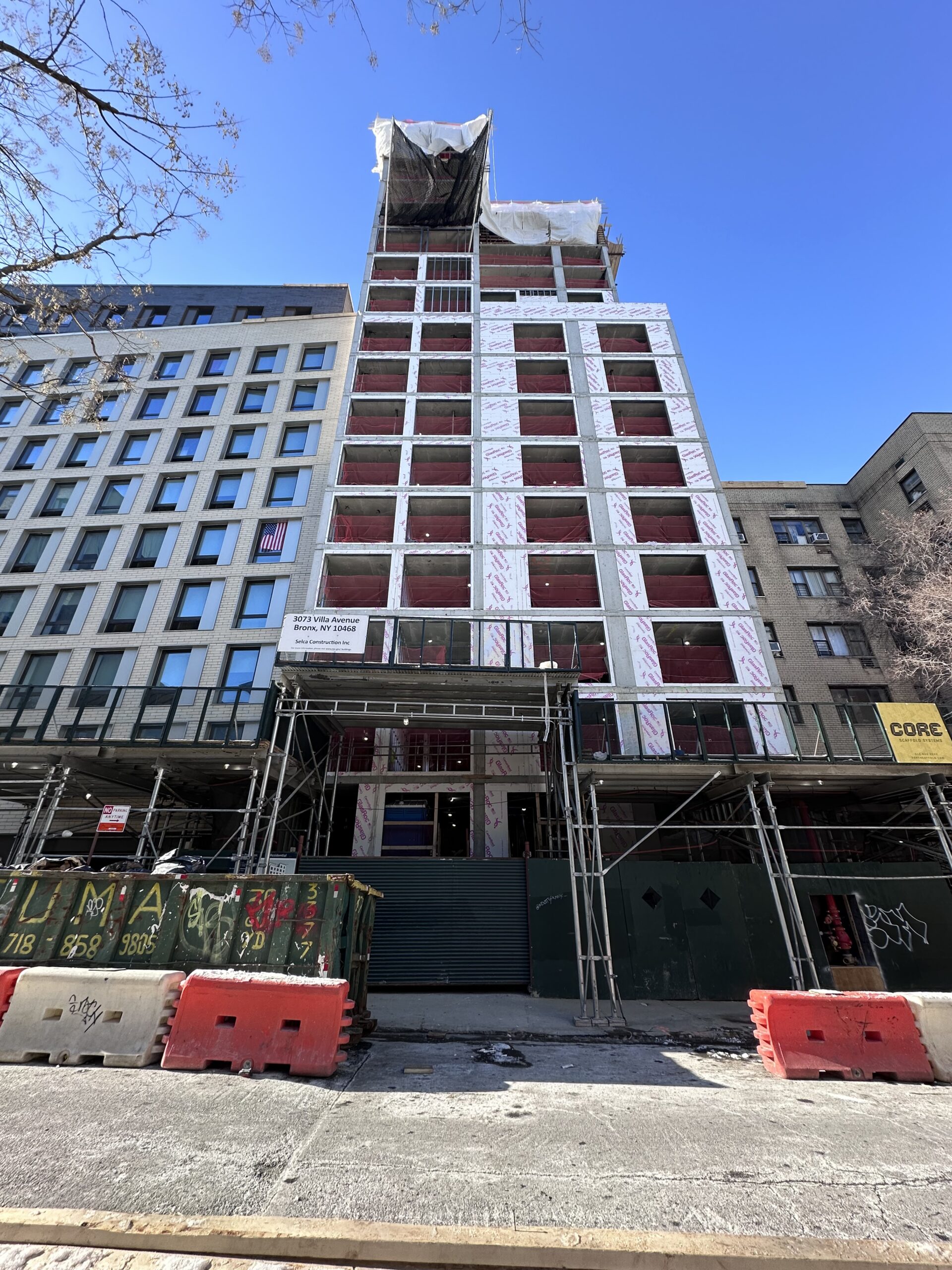
3073 Villa Avenue. Photo by Michael Young.
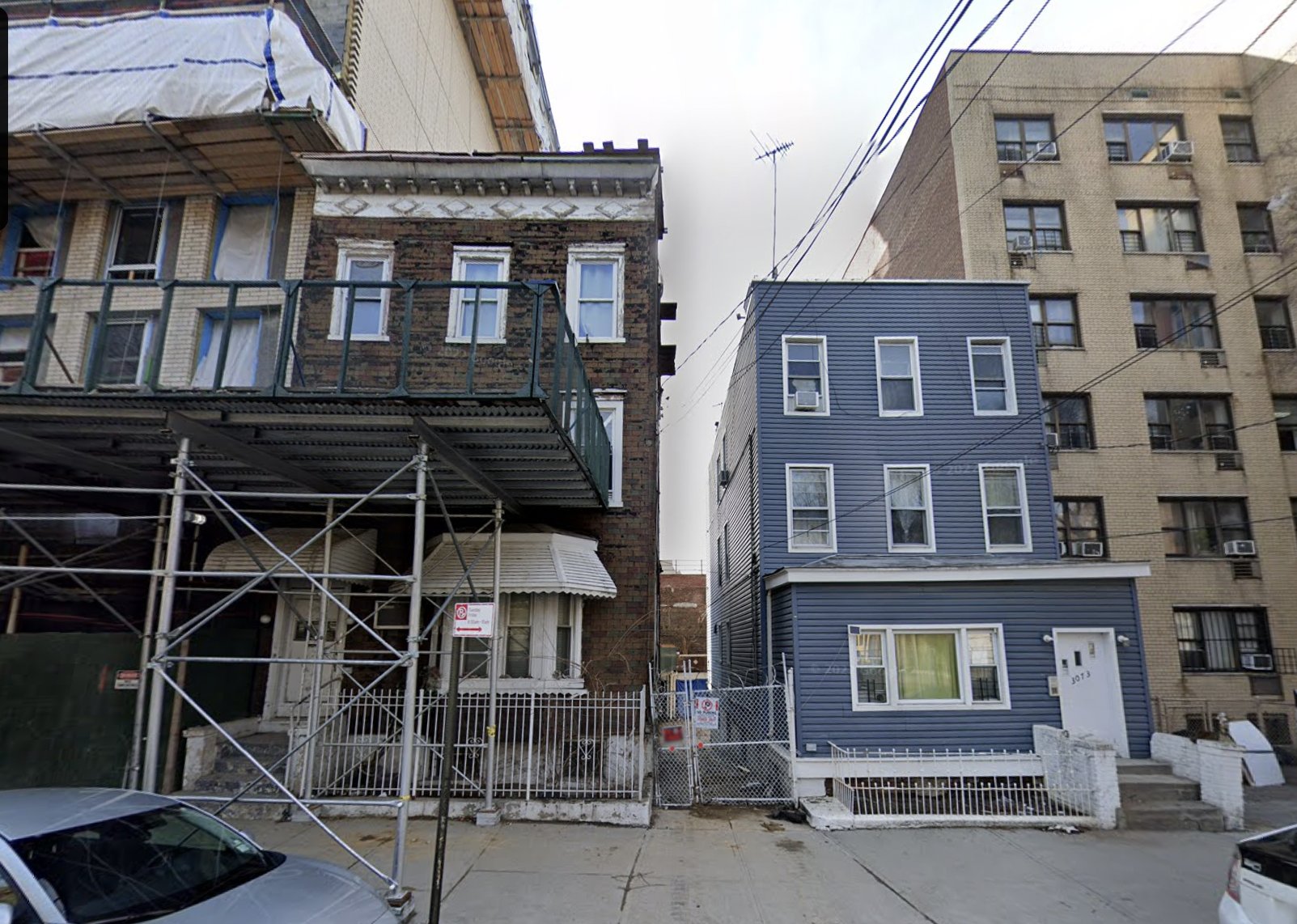
The property was formerly occupied by two low-rise residential buildings at 3071 and 2073 Villa Avenue, as seen in the below Google Street View image from before their demolition.
The new building is slated for completion in the spring of 2028.
Work is nearing completion on 225 Bedford Park Boulevard, a nine-story residential building at the corner of Bedford Park Boulevard and Valentine Avenue. Designed by Badaly Architects and developed by Vilson Lumaj, the 84-foot-tall development yields 73 rental units with an average scope 664 square feet, as well as a cellar level and a 30-foot-long side yard.
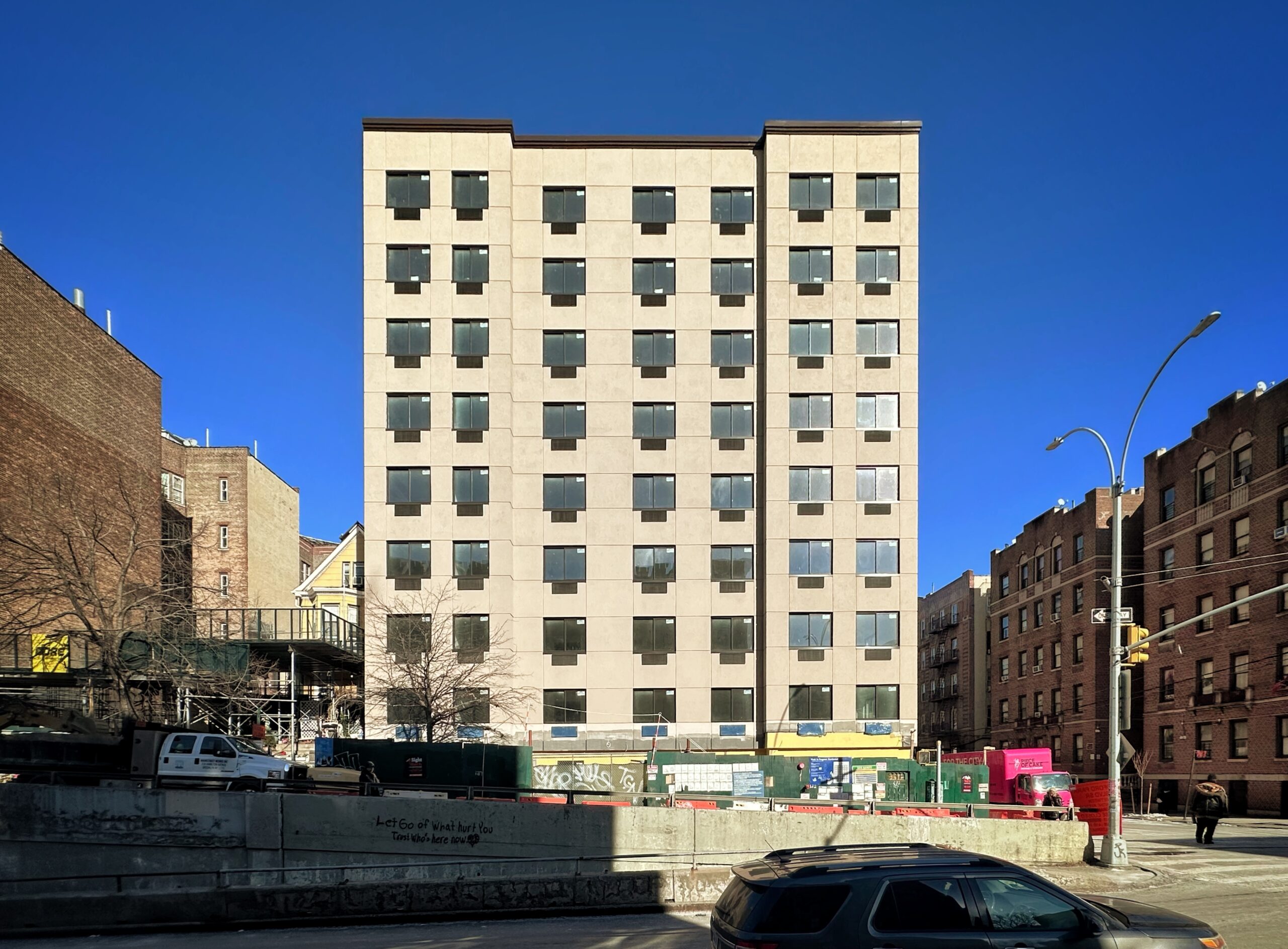
The following photos show the exterior fully complete with the exception of the ground level, which remains blocked off by wooden fencing and construction equipment. The façade is composed of beige paneling surrounding a grid of large rectangular windows. Interiors are well underway at this point, and YIMBY expects work to fully wrap up this spring.
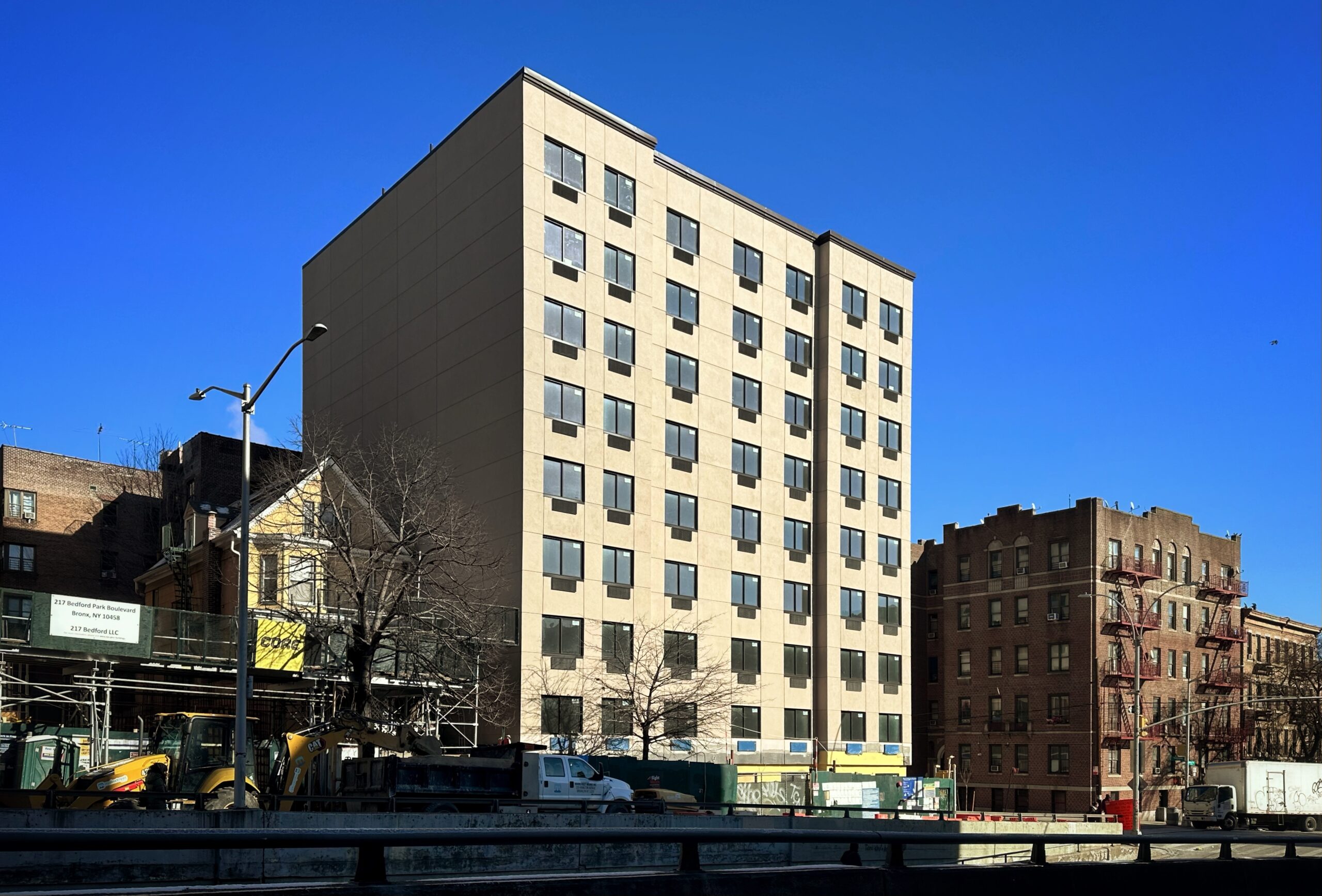
225 Bedford Park Boulevard. Photo by Michael Young.
The property was formerly occupied by three low-rise residential buildings, as seen in the below Google Street View image from before their demolition.
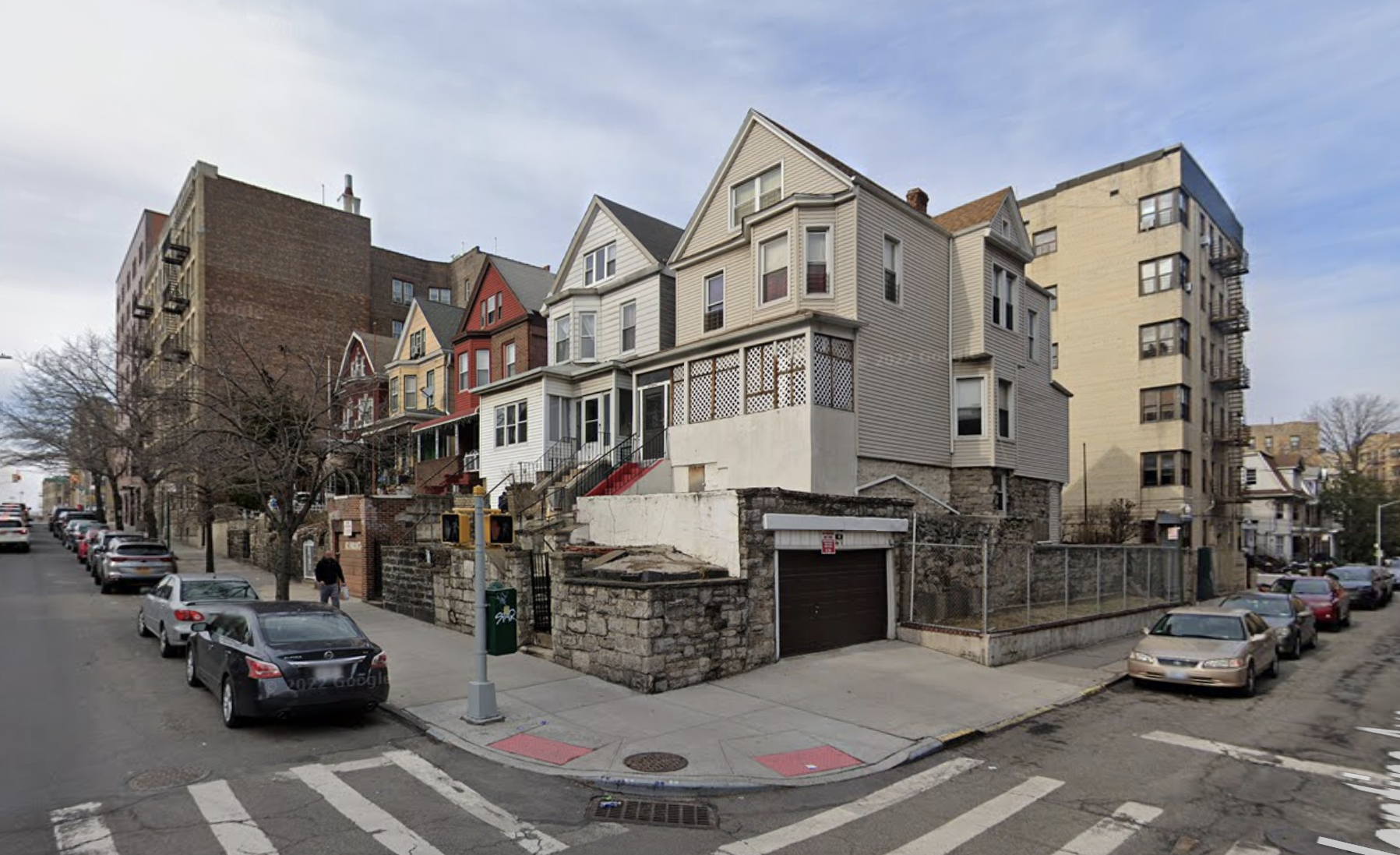
Foundations are underway at 213 East 202nd Street, the site of a six-story residential building between Grand Concourse and Valentine Avenue. Designed by Bayside Engineering for BP E 202 BX LLC, the 50-foot-tall structure will yield 19 rental units with an average scope of 512 square feet. The project will also include 1,326 square feet of commercial space and a rear yard, according to permits filed in August 2024.
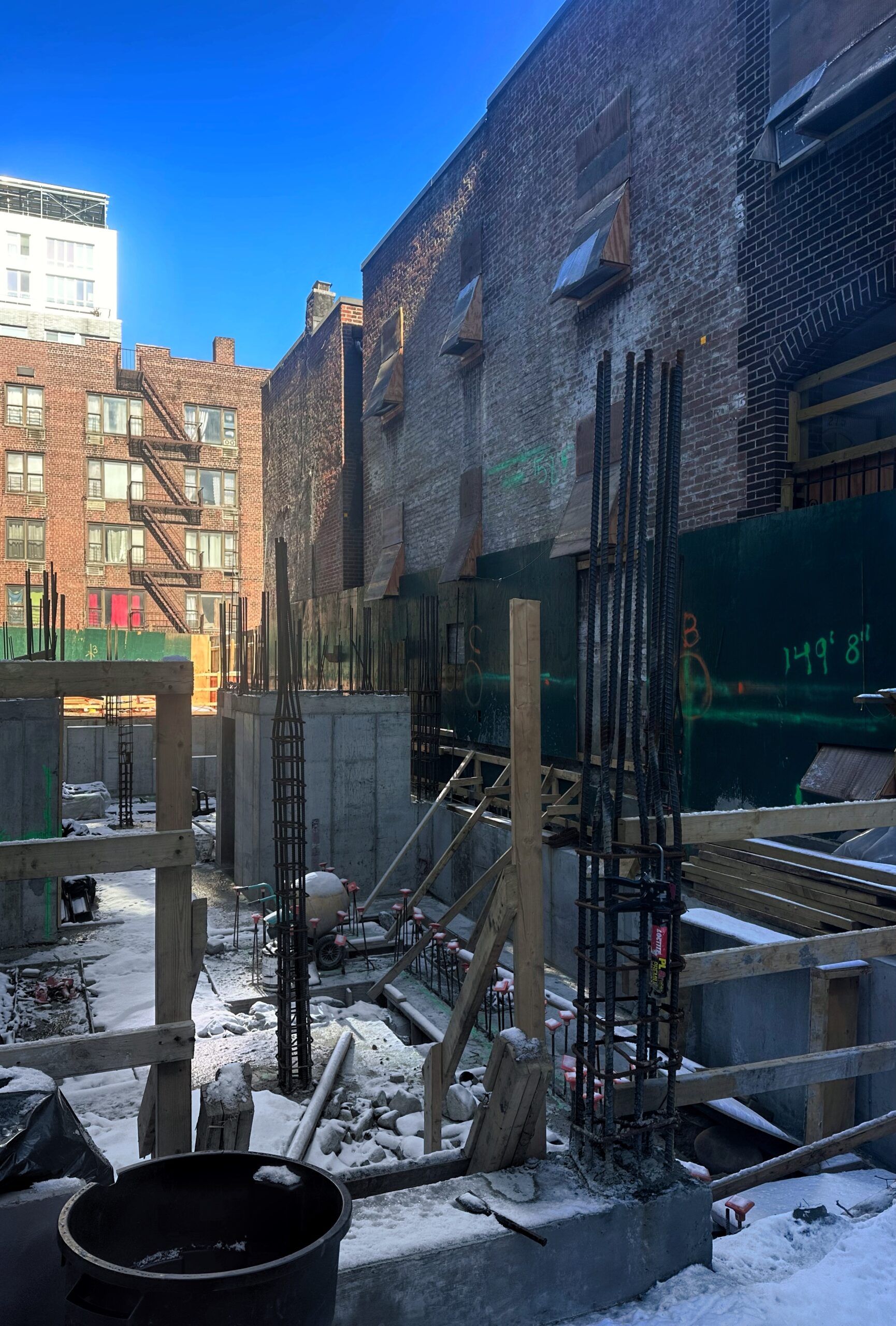
The following photos show the concrete slab, perimeter walls, and cores formed, with rebar protruding at the locations of the forthcoming inner columns and walls. YIMBY expects construction to begin rising above street level sometime this spring.
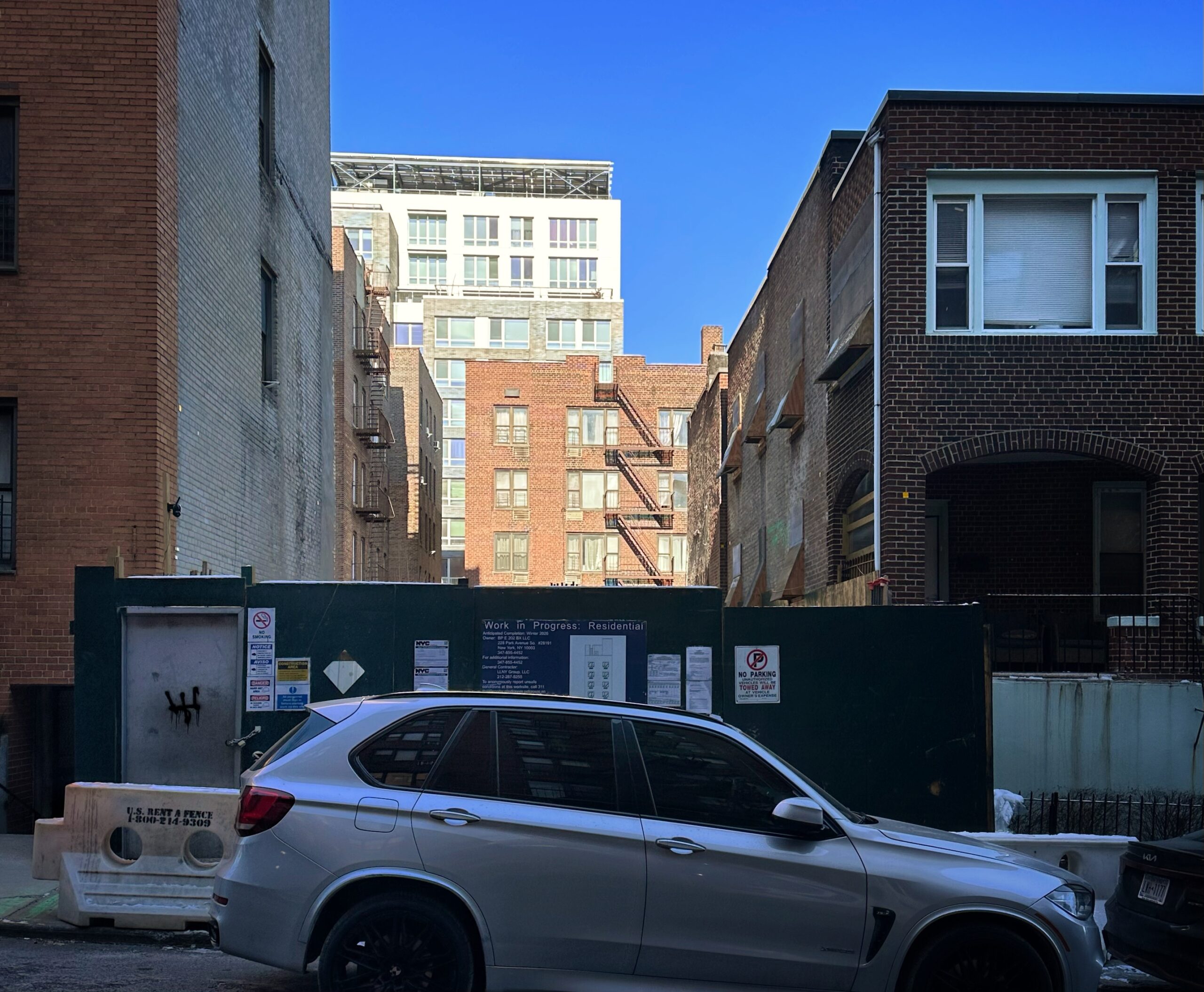
213 East 202nd Street. Photo by Michael Young.
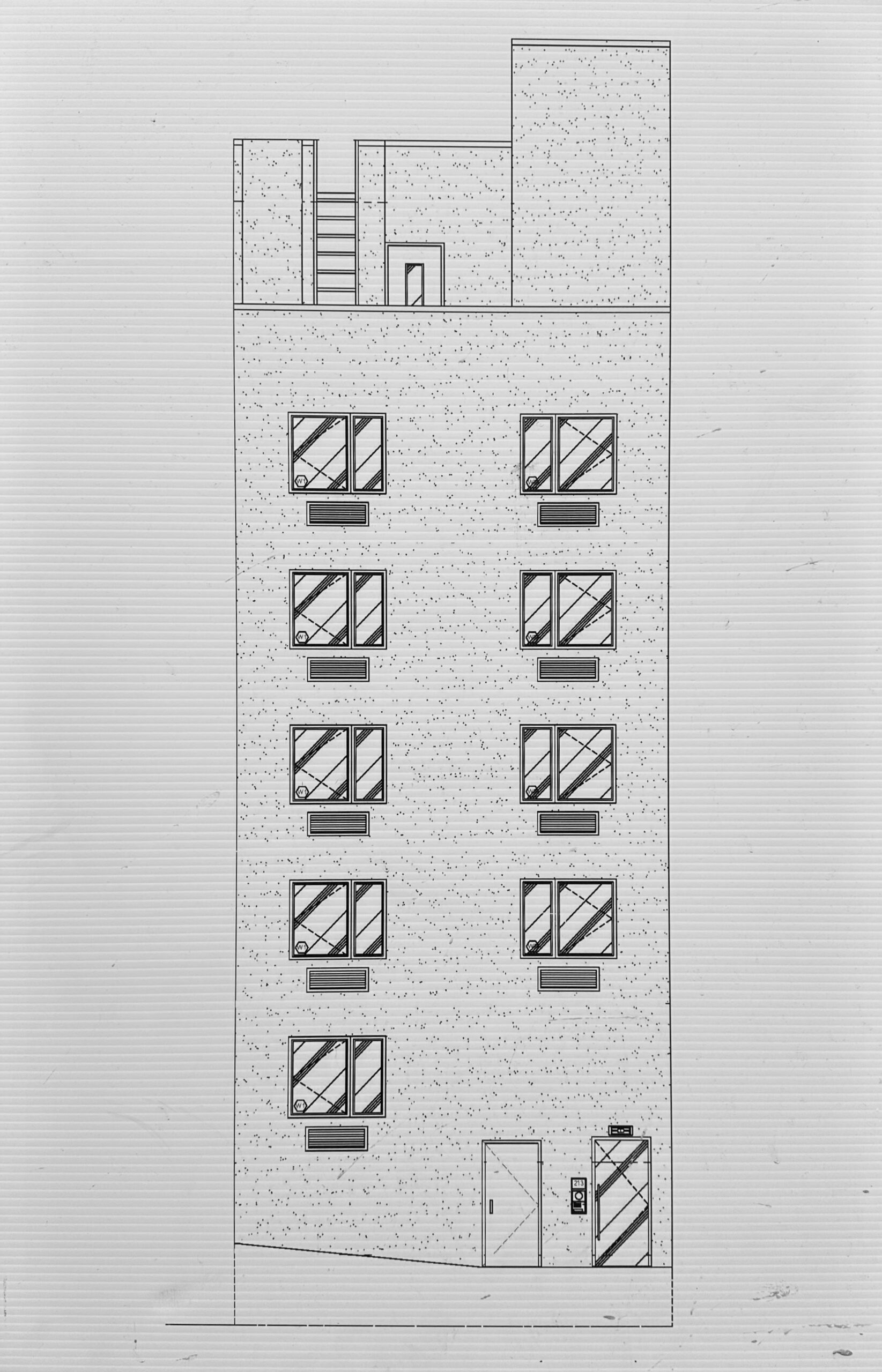
The preliminary elevation diagram from the info board depicts a straightforward massing with a simple fenestration and a bulkhead set back from the street. It is unclear what materials will be used for the façade.
213 East 202nd Street. Photo by Michael Young.
The property was formerly occupied by a vacant low-rise residential building, as seen in the below Google Street View image from before the start of demolition. The new building is slated for completion in the winter of 2026, as noted on site.
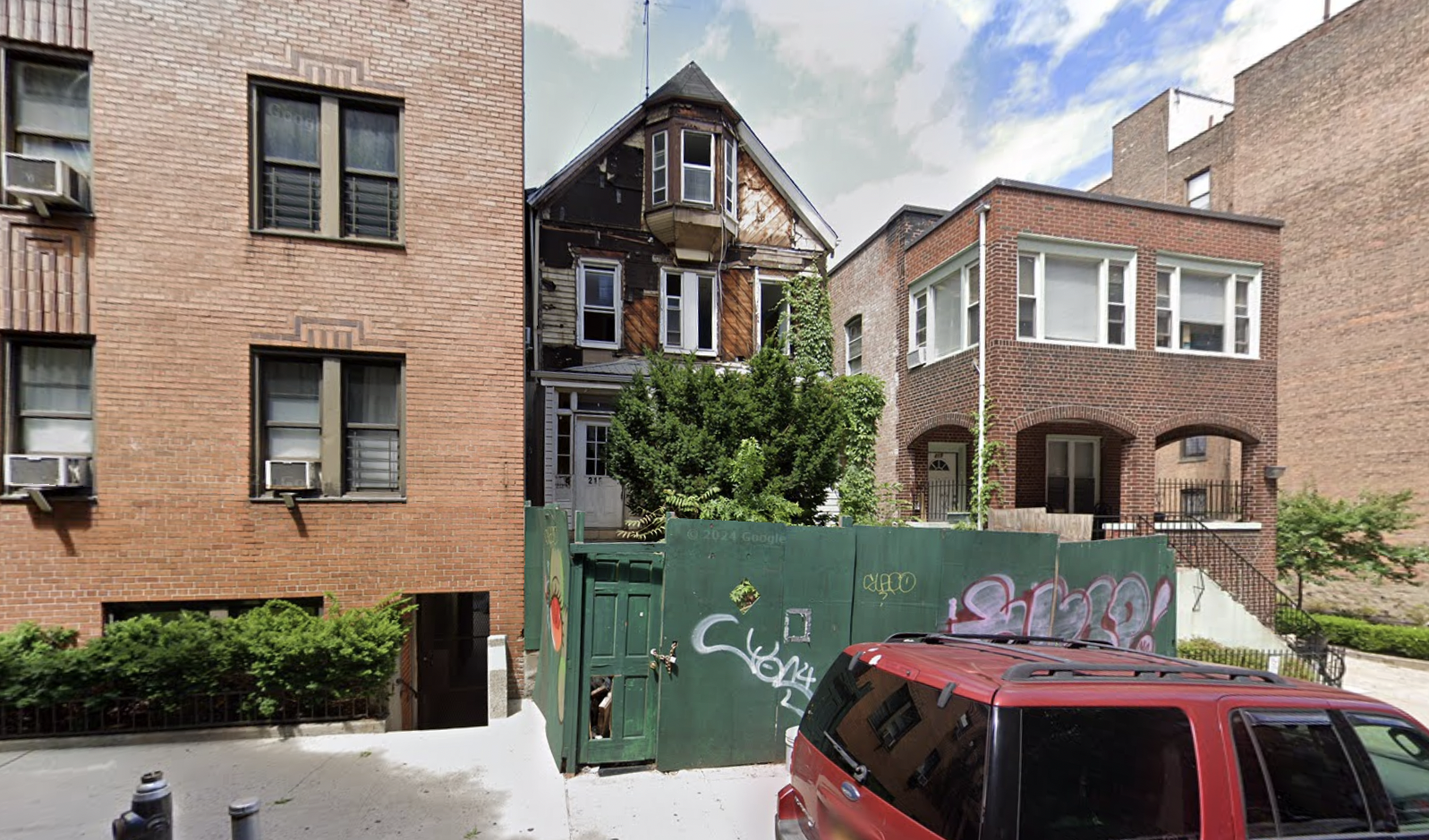
213 East 202nd Street. Image via Google Maps.
Free for all New Yorkers on Sunday, February 7
TODAY, Mayor Zohran Mamdani kicked off Black History Month with a visit to the Louis Armstrong House Museum in Corona, Queens – the longtime home of the legendary jazz musician and his family. Standing in the neighborhood Armstrong loved for more than 30 years, Mayor Mamdani announced that the Louis Armstrong Museum will offer free admission to all visitors on Sunday, February 7, ensuring Black history is accessible to all New Yorkers.
“I am grateful for the Louis Armstrong House Museum for its work to preserve and showcase the legacy of Louis Armstrong. As we begin Black History Month, I’m inspired by the museum's commitment to opening its doors wide and inviting every New Yorker to experience the enduring achievements of a great jazz pioneer, American icon, and long-time New Yorker,” said Mayor Zohran Kwame Mamdani.
“We are honored by Mayor Mamdani's support of the Louis Armstrong legacy and the community he called home in New York. Armstrong was a jazz pioneer, America's first Black popular music icon, and a global superstar. Born and raised in New Orleans, he called Corona, Queens home for 30 years. We are overjoyed that so many will be able to experience this legacy completely free as a part of our collective celebration of Black History,” said Regina Bain, Executive Director, Louis Armstrong House Museum. “Thank you Mayor Mamdani for all of your support for art and culture, legacy and remembering, in New York City."
About the Louis Armstrong House Museum:
The Louis Armstrong House Museum, located in the Corona neighborhood of Queens, New York City, sustains and celebrates the sound, life, and legacy of Louis Armstrong. The museum preserves the home where Louis Armstrong and his wife, Louise Wilson lived, along with the grounds, and Armstrongs’ extensive archival materials. Through public programs, educational initiatives, and community engagement the museum to educate and inspire visitors. The museum also collaborates with contemporary artists to develop new work and performances. Find out more at https://www.

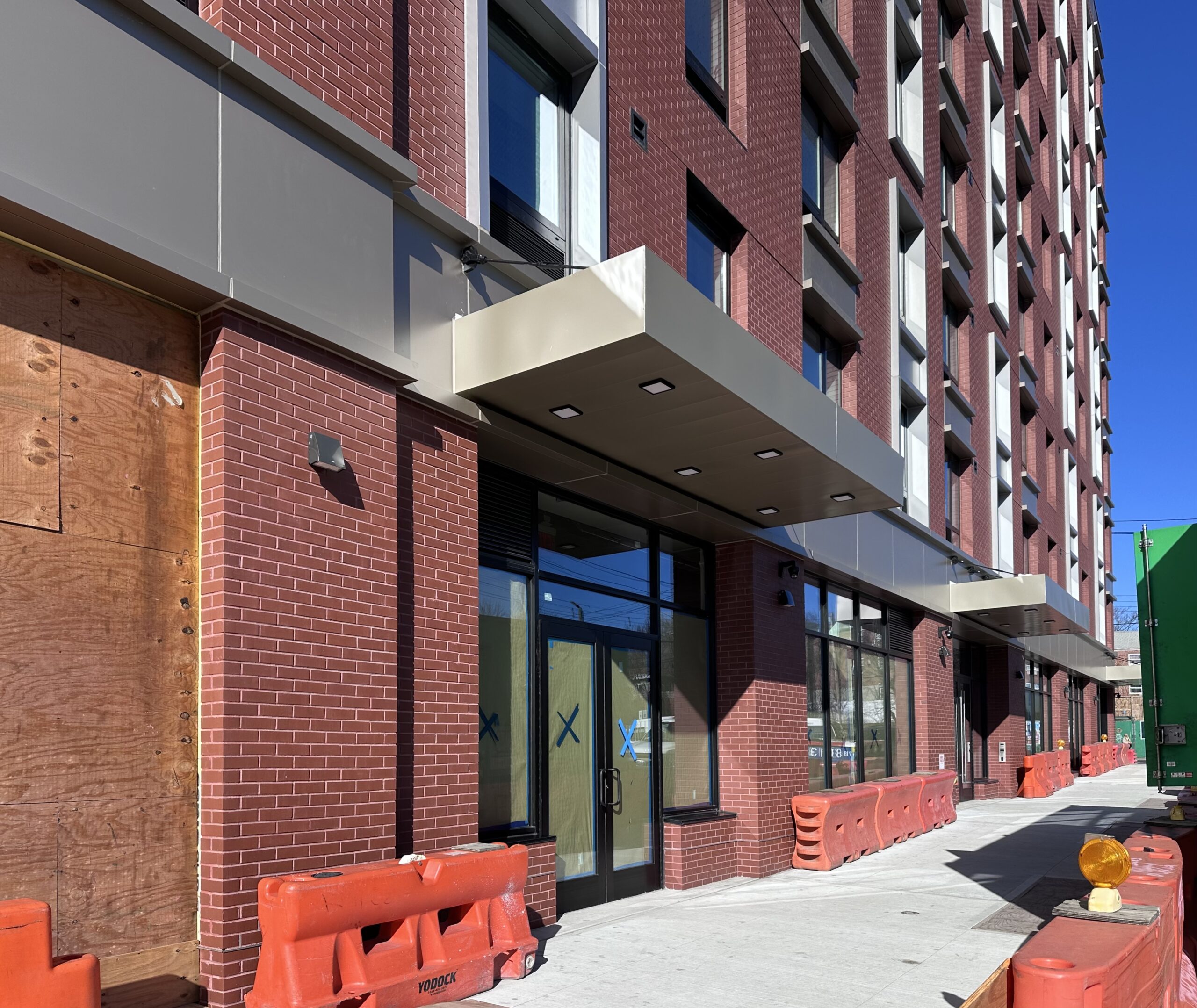
Construction is finishing up on 700 East 241st Street, an 11-story mixed-use building in Wakefield, The Bronx. Designed by Aufgang Architects and developed by Enclave Equities, the structure yields 416 rental units with an average scope of 916 square feet, including 255 permanently affordable apartments. The project also includes nearly 62,000 square feet of ground-floor commercial space, office space, a 17,000-square-foot community facility, and more than 100 enclosed parking spaces below grade for occupants and the public. The property is bounded by White Plains Road, East 241st Street, and Furman Avenue.
The following photos show the completed look of the façade, which is primarily composed of red brick and gray metal paneling surrounding a uniform grid of PTAC windows. The levels above the tenth-story setbacks are clad in beige EIFS. Multiple canopies protrude from the ground level, and the parking garage entrance is located at the southern corner of the property along Furman Avenue.
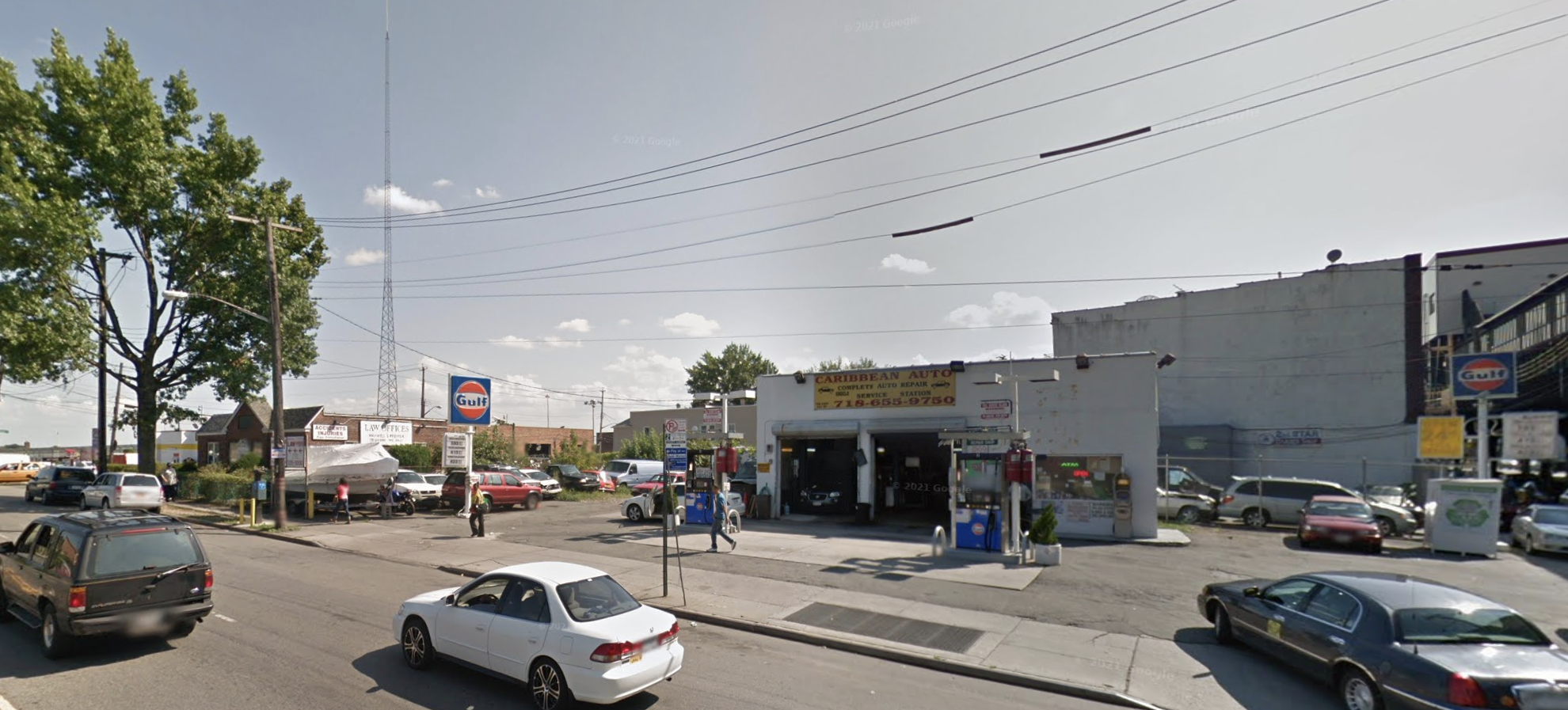
The property was formerly occupied by a gas station and several low-rise properties, as seen in the below Google Street View image from before the start of demolition.
The project was made possible by a 2018 rezoning that changed the block from an M1-1 manufacturing district to an R7D/C2-4 high-density residential designation.
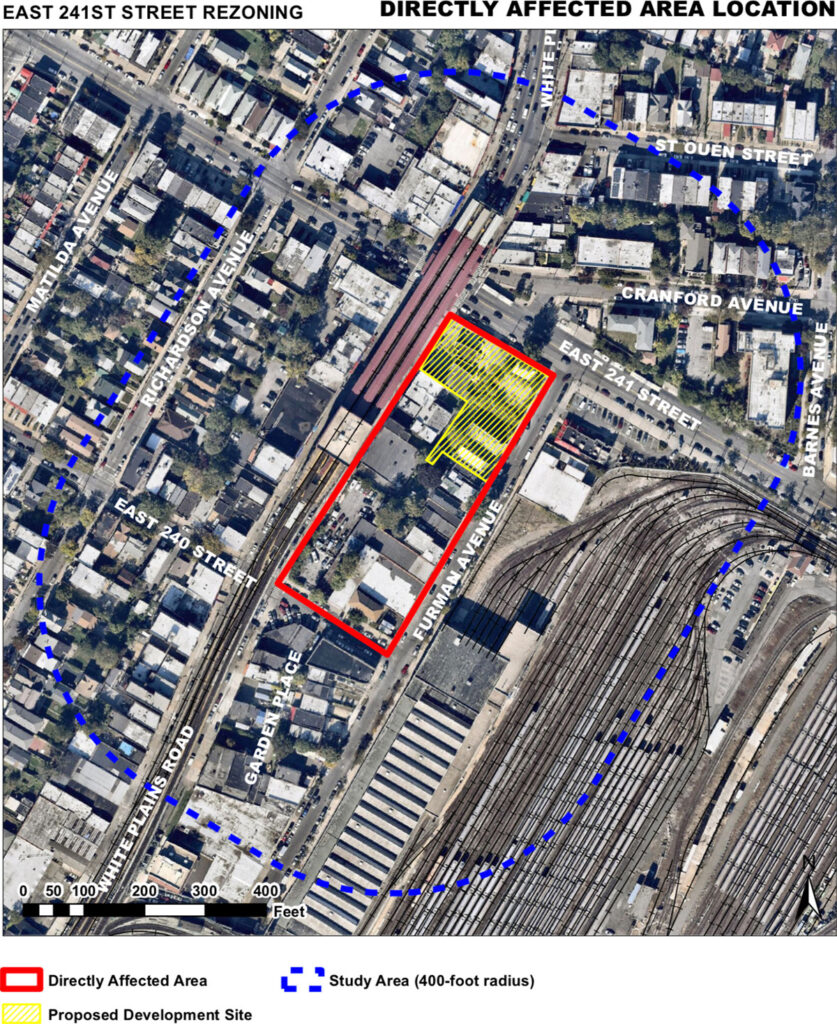
700 East 241st Street is located directly next to the elevated Wakefield–241st Street subway station, which is served by the 2 train.
Under the leadership of President Donald Trump and Secretary Kristi Noem, the Department of Homeland Security (DHS) and the Federal Emergency Management Agency (FEMA) continue to support the local and state-led response to the winter storm in Mississippi – providing commodities, direct federal assistance, and expedited financial assistance to supplement the state and local response.
“Even before the storm, DHS and FEMA have been working side by side with Mississippi’s state and local officials to deliver the support they need as quickly as possible,” said Karen S. Evans, FEMA acting administrator. “This winter storm response shows how FEMA and the entire federal family can surge personnel, equipment and assistance in a coordinated way to help states lead the response and recovery efforts to protect their communities.”
DHS began coordinating with all potentially affected states for resource requests, including Mississippi, days before the historic storm’s impacts began. These efforts helped speed up recovery by quickly delivering vital resources, restoring critical services, and providing timely support to the hardest hit communities.
Following a federal emergency disaster declaration on January 24, DHS deployed personnel to the state emergency operations center to enhance coordination with partners on the ground, including FEMA Region 4 Acting Regional Administrator Rob Ashe, Federal Coordinating Officer Brett Howard, and a 12-person Incident Management Assistance Team.
Through FEMA mission assignments, the agency coordinated additional federal support from the U.S. Forest Service’s hotshot crews to conduct “cut and toss” operations to remove debris from roadways, allowing emergency access for power restoration work and local first responders. Additional federal partners from the U.S. Army Corps of Engineers, the Department of War, and other federal agencies are supporting response actions in Mississippi.
DHS has fulfilled the state’s request for 90 generators to power critical facilities and minimize disruption to critical services. Working with the Mississippi Emergency Management Agency, FEMA has coordinated 51 generator missions for the U.S. Army Corps of Engineers. Thirty-one assessments have been completed, and generator installations continue throughout the affected areas as needed.
To meet life-safety and life-sustaining needs, DHS has already distributed 49 trailer loads of supplies to Mississippi, including meals, water, tarps, oxygen canisters, and blankets to supplement state supplies. DHS is also coordinating additional commodities requested by the state, including:
Additional commodities have been staged at the Incident Support Base in Columbus, Mississippi, to fulfill further state requests, if needed. These include:
Financial support has been approved to reimburse emergency protective measures taken by the state under FEMA’s Public Assistance program. President Trump amended Mississippi’s federal emergency disaster declaration on January 28, reimbursing the state $3.75 million with unprecedented speed as part of his promise to reform emergency management.
Individuals with storm-related needs are encouraged to contact their local emergency management office or volunteer agencies in their area for assistance.
A Florida man pleaded guilty to accepting bribes and facilitating the laundering of more than $5.5 million to Colombia while employed by TD Bank, N.A.
According to court filings, Leonardo Ayala, 25, of Homestead, Florida, accepted bribes and exploited his position as a bank employee to help launder drug money to Colombia. From June to Nov. 2023, Ayala opened fraudulent accounts, issued over 150 debit cards to shell companies, and unblocked debit cards that TD Bank had restricted due to questionable activity. The bank accounts and debit cards were then used to make more than 12,000 ATM withdrawals in Colombia, funneling approximately $5.5 million out of the United States. In exchange, Ayala received more than $6,000 in bribes paid in cash and through a peer-to-peer digital payment network.
Ayala pleaded guilty to a two-count information charging him with conspiring to launder monetary instruments and receipt of bribes by a bank employee. The charge of money laundering conspiracy carries a maximum penalty of 20 years in prison. The charge of receipt of bribes by a bank employee carries a maximum penalty of 30 years in prison. Ayala’s sentencing has been set for June 11. A federal judge will determine any sentence after considering the U.S. Sentencing Guidelines and other statutory factors.
Assistant Attorney General A. Tysen Duva of the Justice Department’s Criminal Division and Senior Counsel Philip Lamparello of the U.S. Attorney’s Office for the District of New Jersey made the announcement.
The DEA, IRS Criminal Investigation (IRS-CI) and FDIC-OIG are investigating the case. The department also thanks the Morristown Police Department for their assistance with the investigation.
Trial Attorneys D. Zachary Adams and Chelsea Rooney of the Criminal Division’s Money Laundering, Narcotics and Forfeiture Section and Assistant U.S. Attorney Marko Pesce, Chief of the Bank Integrity, Money Laundering and Recovery Unit for the District of New Jersey are prosecuting the case.
The Money Laundering, Narcotics and Forfeiture Section’s Bank Integrity Unit investigates and prosecutes banks and other financial institutions, including their officers, managers and employees whose actions threaten the integrity of the individual institution or the wider financial system.
